Micro Technologies :
Manufacturing and Testing

Laser micro-welding

We use focused laser beams to join plastic and metal components with high strength and minimal heat exposure. Our process creates clean, hermetic seals without damaging nearby sensitive structures. It works on dissimilar materials and complex geometries, making it ideal for medical devices, electronic packages, and microfluidic assemblies. The result is reliable, repeatable bonds that maintain integrity under demanding conditions.

Cold laser micro ablation (metal, ceramics, glass)

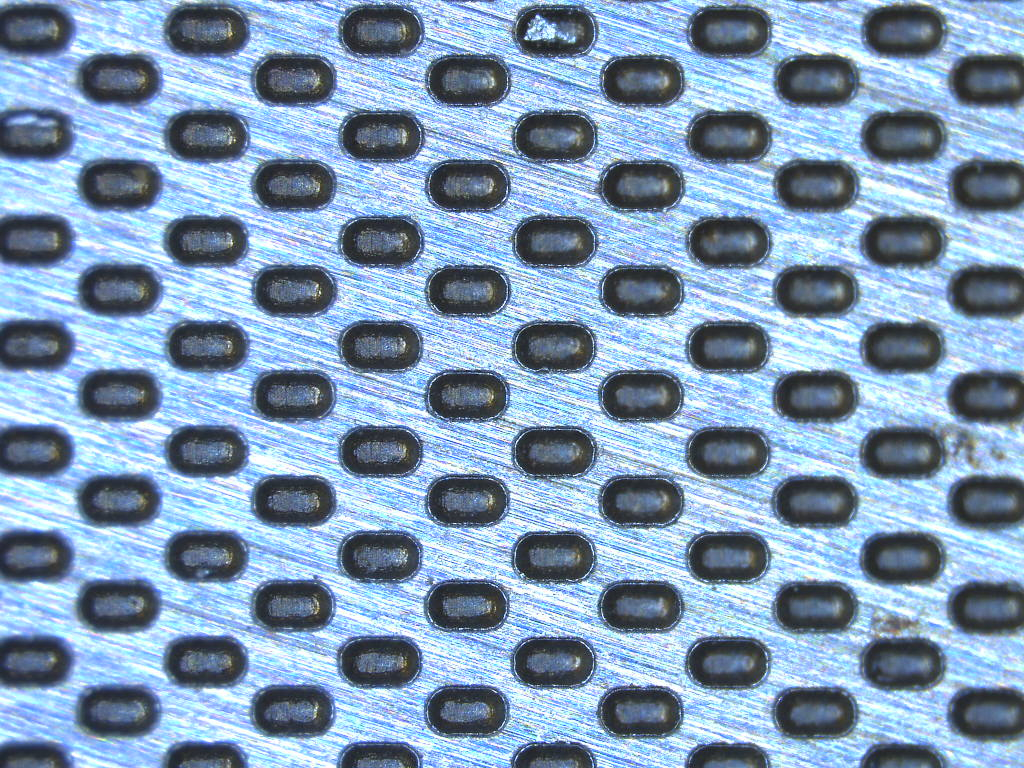
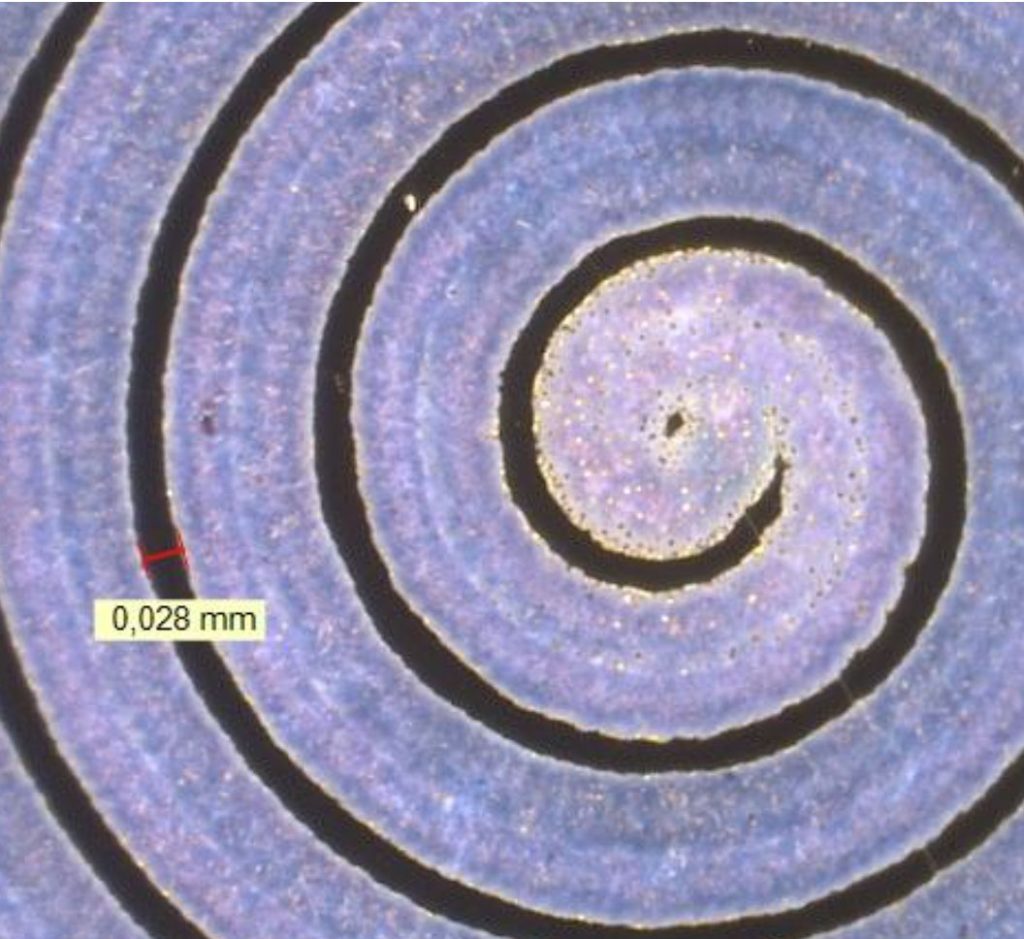
Cold laser ablation technology removes material without generating heat, preventing cracking or warping of delicate substrates. This technique is perfect for drilling, cutting, and patterning metals, ceramics, and glass with micron-level precision. It preserves the original properties of the material, making it suitable for heat-sensitive components.

Micro structuring

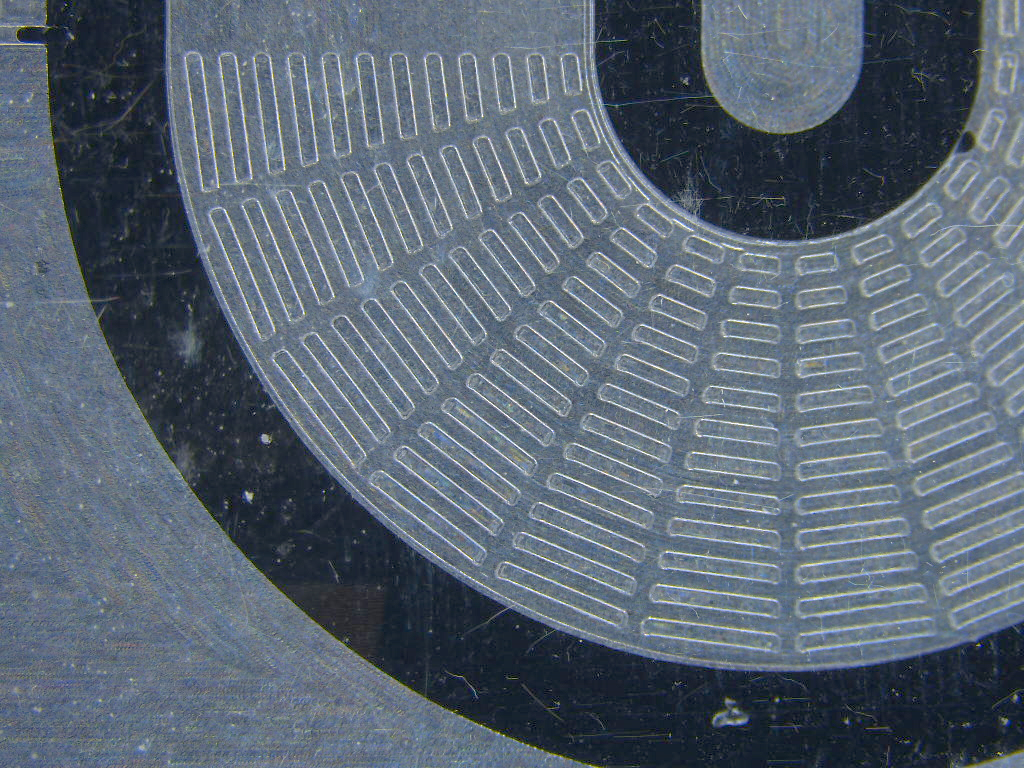
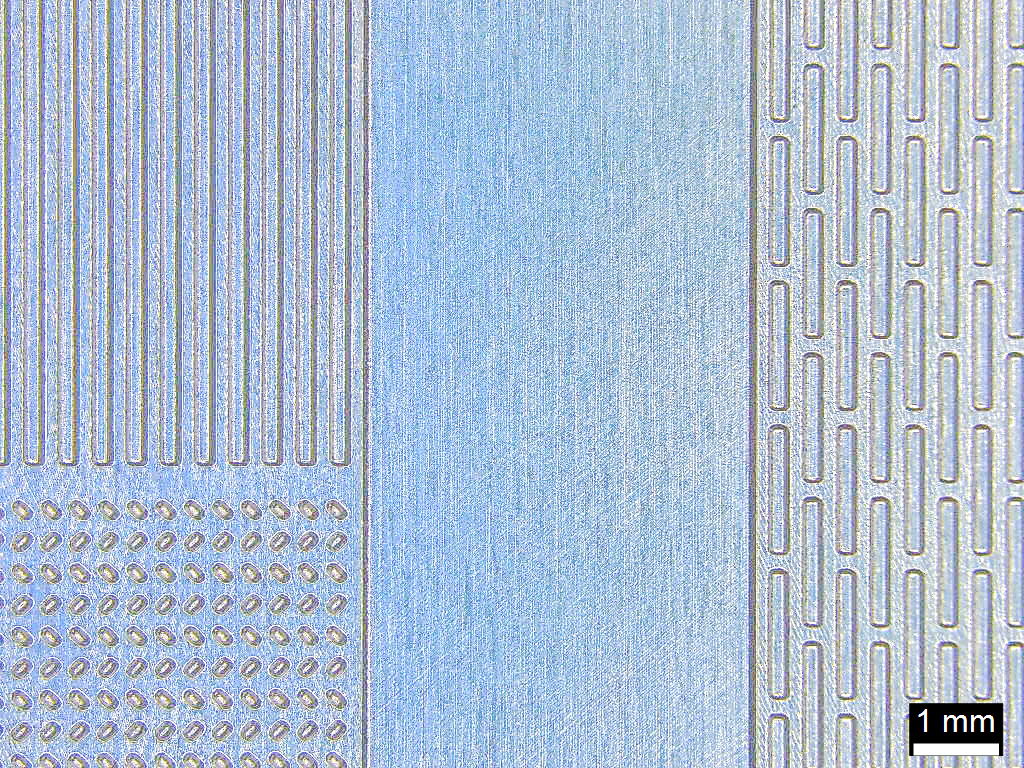
Micro-structuring technology can create three-dimensional patterns, channels, and cavities on flat or curved surfaces. Using laser-based methods, we achieve feature sizes down to the micron range in polymers, metals, ceramics, and glass. These structures support fluid flow, optical functions, or mechanical interlocking in miniaturized devices.

Thin film layer removal

With laser technologies, we can selectively strip metallic, oxide, or polymer coatings from specific areas of a component without damaging the underlying material. This technology supports circuit repair, surface preparation for bonding, and sensor customization. Our laser-based approach offers precise control over removal depth and area. We ensure clean edges and consistent results across production batches.

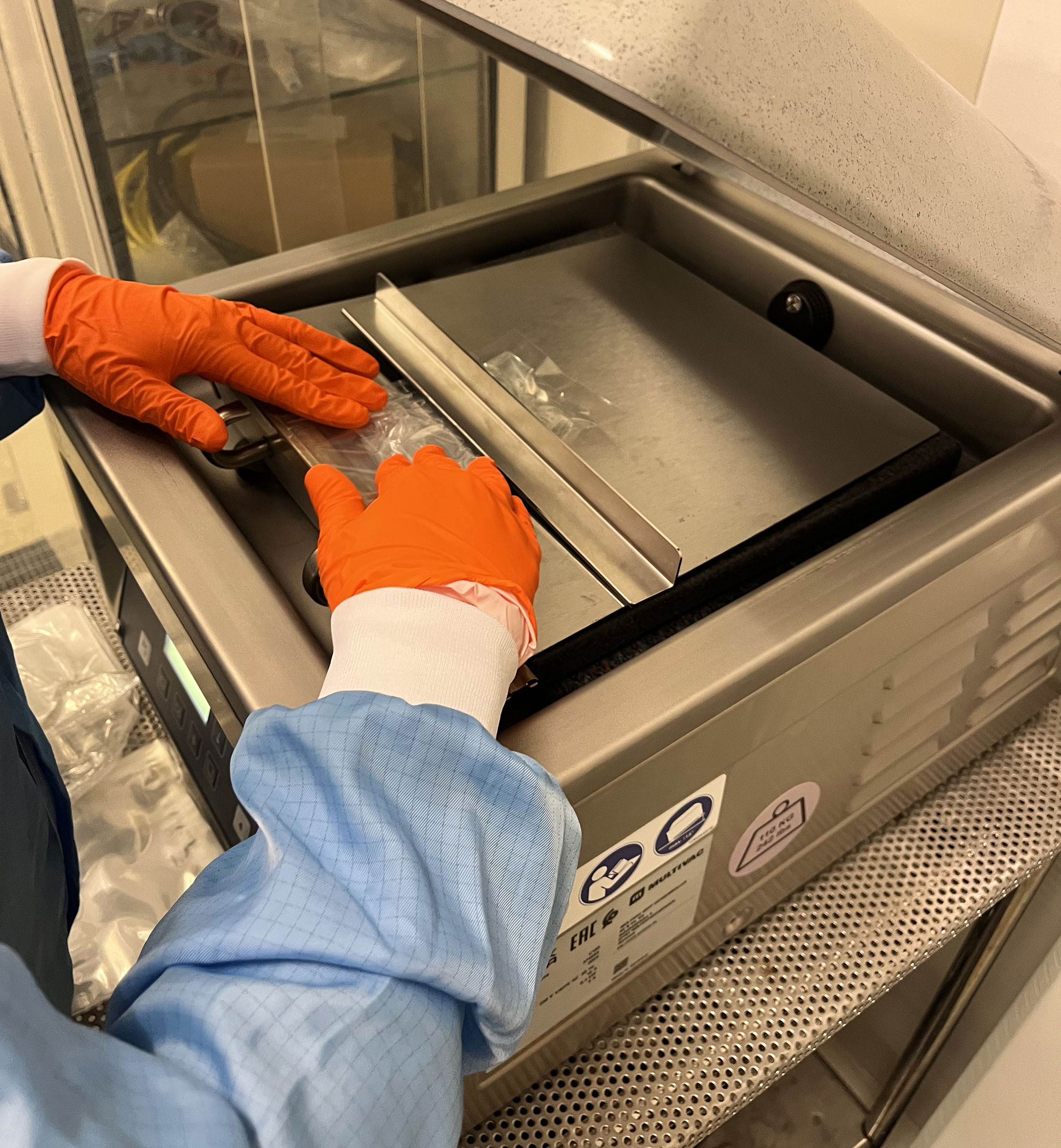
Cleanroom Vacuum packaging

We seal sensitive micro-devices in protective enclosures within in ISO Class 7 cleanroom environment. Our vacuum packaging removes air and moisture, shielding LoC, OoC, MEMS components, optics, and electronics from contamination and corrosion. The hermetic seal extends component lifetime and ensures stable performance.

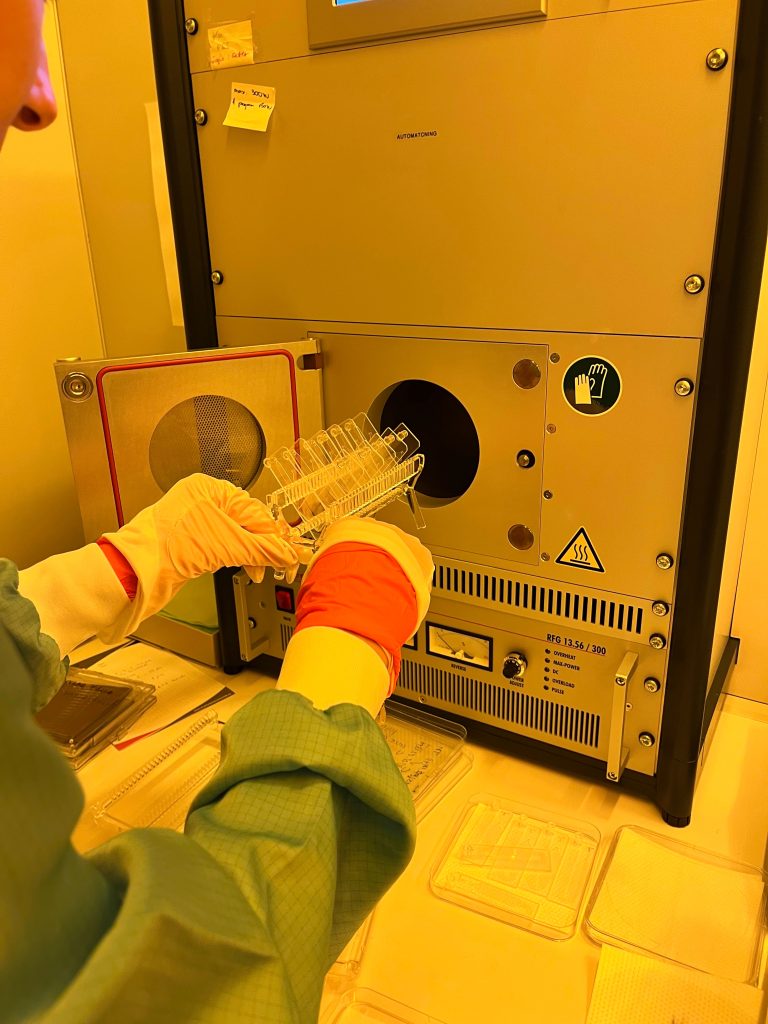
Surface treatment

Surface properties can be modified with oxygen plasma to meet specific application needs—making them hydrophilic, hydrophobic, or optimized for adhesion. This treatments improve wettability, biocompatibility, or bonding strength. We tailor each solution to our material and functional requirements.

Testing, analytics

Our testing capabilities, including optical microscopes, profilometers, and surface roughness testers, allow us to inspect critical dimensions, surface finish, and defect structures at high magnification. We perform material characterisation to confirm composition, coating quality, and structural integrity. For fluid-handling devices, we conduct pressure and leakage tests to ensure seal integrity and flow performance under operating conditions. Electrical measurements such as impedance spectroscopy validate sensor and electrode functionality. This multi-layered approach ensures that every product leaving our facility meets the exact specifications and performs reliably in its target application.


Scroll to Top